A Visit to a Roadside Diner, 1962

Where exactly is the diner in these photos?

At this juncture, the answer is not clear. But that’s okay because, wherever it is, odds are, you’ve been there.

The diner is a place of welcome—to families, friends, and loners. In our culture it has been home to Edward Hopper’s Nighthawks, the gang from Seinfeld, and of course the guys in the movie Diner. While the phenomenon of the diner can feel like pure Americana, the concept translates globally. In the recent Netflix series Midnight Diner: Tokyo Stories the food is different, but the spirit is the same.

While the coffeehouse and the bar offer a variation on these comforts, the diner stands out because it’s as welcoming to kids as it is to adults, and because its charms are available any time of day (or night).

The photos taken by John Loengard in 1962 capture all this appeal. Loengard was a giant on the LIFE staff, and noted chronicler of such figures as The Beatles and Georgia O’Keeffe. Here he cast his eye on a subject that, while more humble, is every bit as enduring.

The dinner is part of a filling station, and the sign out front promotes two food item: burgers and “bar-b-q burgers.” And Pepsi. What’s telling about these diner photos is how little attention is paid to the food. In one photo a chef-waitress adds French fries onto plates with burgers on them. But the food, while essential to the diner experience, is also beside the point.

Loengard’s lens drinks in all the details. The kid draining his drinking glass. The guys leaning into each other, confiding either their innermost thoughts or their prediction for the game. The women sharing a laugh, while a notice about a public sale sits in front of them. The restless kids moving from booth to counter.

Then there’s the young man carefully picking out songs on a juke box. Because of course this small country diner has a juke box.

Looking at these pictures can make a person hungry, especially these days—and not just for fries.

Roadside diner, 1962.

John Loengard/The LIFE Picture Collection © Meredith Corporation

Roadside diner, 1962.

John Loengard/The LIFE Picture Collection © Meredith Corporation

Roadside diner, 1962.

John Loengard/The LIFE Picture Collection © Meredith Corporation

Roadside diner, 1962.

John Loengard/The LIFE Picture Collection © Meredith Corporation

Roadside diner, 1962.

John Loengard/The LIFE Picture Collection © Meredith Corporation

Roadside diner, 1962.

John Loengard/The LIFE Picture Collection © Meredith Corporation

Roadside diner, 1962.

John Loengard/The LIFE Picture Collection © Meredith Corporation

Roadside diner, 1962.

John Loengard/The LIFE Picture Collection © Meredith Corporation

Roadside diner, 1962.

John Loengard/The LIFE Picture Collection © Meredith Corporation

Roadside diner, 1962.

John Loengard/The LIFE Picture Collection © Meredith Corporation

Roadside diner, 1962.

John Loengard/The LIFE Picture Collection © Meredith Corporation

Roadside diner, 1962.

John Loengard/The LIFE Picture Collection © Meredith Corporation

Roadside diner, 1962.

John Loengard/The LIFE Picture Collection © Meredith Corporation

Roadside diner, 1962.

John Loengard/The LIFE Picture Collection © Meredith Corporation

Roadside diner, 1962.

John Loengard/The LIFE Picture Collection © Meredith Corporation

Roadside diner, 1962.

John Loengard/The LIFE Picture Collection © Meredith Corporation

Roadside diner, 1962.

John Loengard/The LIFE Picture Collection © Meredith Corporation

Roadside diner, 1962.

John Loengard/The LIFE Picture Collection © Meredith Corporation

Roadside diner, 1962.

John Loengard/The LIFE Picture Collection © Meredith Corporation

Roadside diner, 1962.

John Loengard/The LIFE Picture Collection © Meredith Corporation

Roadside diner, 1962.

John Loengard/The LIFE Picture Collection © Meredith Corporation

Roadside diner, 1962.

John Loengard/The LIFE Picture Collection © Meredith Corporation

Roadside diner, 1962.

John Loengard/The LIFE Picture Collection © Meredith Corporation

Ohio State, 1948: When Football Was a More Formal Affair

One of the few things you can count on during a college football season is that Ohio State is going to be pretty darned good. It was certainly the case during the 2020 season, with the Buckeyes in pursuit of a national championship as they have been so many years before.

When you have a big school and a demanding fan base, a championship is an annual expectation. It’s true in Columbus and many other college football towns around the country.

In 1948 LIFE visited Columbus to capture that kind of unbridled enthusiasm for story titled “Frenzied Football.” While much has changed about college football in decades since that story was reported—for instance Ohio State’s conference, the Big 10, now has fourteen teams—certain aspects are quite similar.

Examine these images from 1948 and one immediate difference that will stand out to those know Ohio State football is the stadium. Back then, Ohio Stadium was still open at one end, as it was originally designed. Bernard Hoffman‘s magnificent photo for LIFE captures the grandeur of the fans’ procession to the stadium’s open arms. But “The Horseshoe,” as the stadium is known, has since added new stands to what had been the open end to accommodate more spectators. The stadium now can hold a staggering 104,944 people, up from its original capacity of 66,210 when it opened in 1922. Ohio Stadium is now the third-largest football stadium the country, behind those at Michigan and Penn State.

The more striking difference may be the attire of the people who fill those stands. Look at their dress—the women in their fancy hats, the men in their coats and ties. It’s a far cry from today, when most spectators come dressed in the school colors, and many fans are wearing team jerseys, looking as if they were ready to be called into the game.

But not everything has changed. In this gallery you can see Ohio State’s storied marching band at work. (It’s possible that today band’s routines are just a little more complex-watch what happens here around the six-minute mark.)

But the true constant is the passion for the game. LIFE summed up how all-consuming football was for the local fans: “It is an old Columbus joke that whenever three stenographers and a boss are in the same room they forget about business and start running through backfield plays.”

It shows in the faces of the fans in these photos. Just look at them. Don’t you want to share that excitement?

No wonder they had to make the stadium bigger.

Fans approached Ohio Stadium on a football game day in 1948.

Bernard Hoffman/The LIFE Picture Collection © Meredith Corporation

Fans at an Ohio State football game, 1948.

Bernard Hoffman/The LIFE Picture Collection © Meredith Corporation

Fans at an Ohio State football game, 1948.

Bernard Hoffman/The LIFE Picture Collection © Meredith Corporation

Fans enjoying an Ohio State football game, 1948.

Bernard Hoffman/The LIFE Picture Collection © Meredith Corporation

Fans at an Ohio State football game, 1948.

Bernard Hoffman/The LIFE Picture Collection © Meredith Corporation

Ohio State football fans groan as their team lose the ball, 1948.

Bernard Hoffman/The LIFE Picture Collection © Meredith Corporation

An Ohio State football game, 1948.

Bernard Hoffman/The LIFE Picture Collection © Meredith Corporation

The Ohio State Buckeyes in action, 1948.

Bernard Hoffman/The LIFE Picture Collection © Meredith Corporation

Buckeye football players, 1948.

Bernard Hoffman/The LIFE Picture Collection © Meredith Corporation

Wesley Fesler, Ohio State’s coach in 1948, had been an All-America end for the Buckeyes from 1928 to 1930.

Bernard Hoffman/The LIFE Picture Collection © Meredith Corporation

The Agonis Club, a group of football fans, sang the school fight song.

Bernard Hoffman/The LIFE Picture Collection © Meredith Corporation

Then as now, football fans could get rowdy; here university employees cut corners of paper laundry bags to prevent students from converting them into water balloons for pre-football game celebrations.

Bernard Hoffman/The LIFE Picture Collection © Meredith Corporation

The Ohio State band in 1948 spelled out the state name—a forerunner of greater precision routines to come.

Bernard Hoffman/The LIFE Picture Collection © Meredith Corporation

Debbie Drake: America’s First Female TV Fitness Guru

In its January 26, 1962 issue, LIFE’s profile of Debbie Drake opened with a bold proclamation from the 29-year-old woman from Indiana. “I want to be the most important exercise girl in the world,” she said.

Drake did make her mark on history, as the first woman ever to host a national fitness instructional show on television. Her show launched in 1960 and stayed on the air through 1978. In 2015 she was inducted into the National Fitness Hall of Fame.

LIFE’s 1962 story on Drake, headlined “A Pretty Parer of Poundage,” talked about how she grew up “scrawny” but then put on weight after an unhappy teenage marriage and divorce, before turning to fitness. “That’s when the ugly duckling turned into a 38 ½-22-36 swan and an expert in figure improving exercises,” LIFE wrote. The story said that her show was viewed by millions, her syndicated column appeared in 40 newspapers, and her income was “in the $100,000 bracket.” The story also praised her “naive, unrehearsed, girl-next-door sincerity.”

If her persona was charmingly unrehearsed, it was also entirely of her era. In 1964 Drake released a record album of fitness instruction titled How to Keep Your Husband Happy, in which the cover showed a lounging man thinking of Drake going through various exercise poses.  At least one cultural critic drew a line from Drake to the controversial Peleton ad that got run off television in late 2019 for its view of women’s fitness as being about pleasing men, rather than its physical and mental health benefits.

While many of Drake’s routines will be familiar to anyone who has taken modern fitness instruction, some of the exercises showcased in LIFE make dubious claims, such as a move while resembles yoga’s cobra pose, and which she said could help erase a double-chin.

Drake also wasn’t shy about appealing to a male audience. Her photo shoot for LIFE magazine included cheesecake poses in a bathtub. In a bit of footage from the Dick Cavett Show (she comes on at the 4:28 mark, after Woody Allen) Drake engages the host in a two-person, face-to-face stretching routine that was nominally about loosening Cavett’s back but also meant to weaken his knees.

It’s a far cry from the you-go-girl messages of personal strength advocated by the legions of Drake’s contemporary progeny on YouTube.

But there’s also no denying that she was in at the start of something big. For Drake, the medium was the message that lasted.

Debbie Drake filmed an episode of her fitness instructional show in a studio in Indianapolis, 1962.

Photo by Alfred EisenstaedtThe LIFE Picture Collection © Meredith Corporation

Debbie Drake led an exercise demonstration at the National Federation of Grandmother’s Club members in Indianapolis in 1962

Photo by Alfred Eisenstaedt/The LIFE Picture Collection via Shutterstock

TV fitness pioneer Debbie Drake demonstrated an exercise which she claimed could help eliminate double chins and tone the body all over.

Photo by Alfred Eisenstaedt/The LIFE Picture Collection © Meredith Corporation

One of the exercises that Drake demonstrated for LIFE readers was the “rear kick,” designed to strengthen the core muscles.

Photo by Alfred Eisenstaedt/The LIFE Picture Collection © Meredith Corporation

ebbie Drake recommended this “leg-over” for, as LIFE put it in 1962, “smiting hip and thigh.”

Photo by Alfred Eisenstaedt/The LIFE Picture Collection © Meredith Corporation

Debbie Drake, having remade her figure, took to television to show others how to do the same.

Photo by Alfred Eisenstaedt/The LIFE Picture Collection © Meredith Corporation

Fitness guru Debbie Drake posed for a LIFE photo shoot in 1962.

Photo by Alfred Eisenstaedt/The LIFE Picture Collection © Meredith Corporation

Debbie Drake played basketball with children in the driveway of her home with her son, nephew and niece.

Photo by Alfred Eisenstaedt/The LIFE Picture Collection © Meredith Corporation

Three-year-old Barbara Glidden was a frequent guest on Debbie Drake’s fitness show.

Alfred Eistenstaedt/The LIFE Picture Collection © Meredith Corporation

This episode of Debbie Drake’s fitness show featured comedian Phyllis Diller as a guest star.

Photo by Alfred Eisenstaedt/The LIFE Picture Collection © Meredith Corporation

Debbie Drake led comedian Phyllis Diller through a fitness routine.

Photo by Alfred Eisenstaedt/The LIFE Picture Collection © Meredith Corporation

Fitness star Debbie Drake shared a light moment with LIFE photographer Alfred Eisenstaedt during her shoot.

Photo by Alfred Eisenstaedt/The LIFE Picture Collection © Meredith Corporation

More Like This

lifestyle

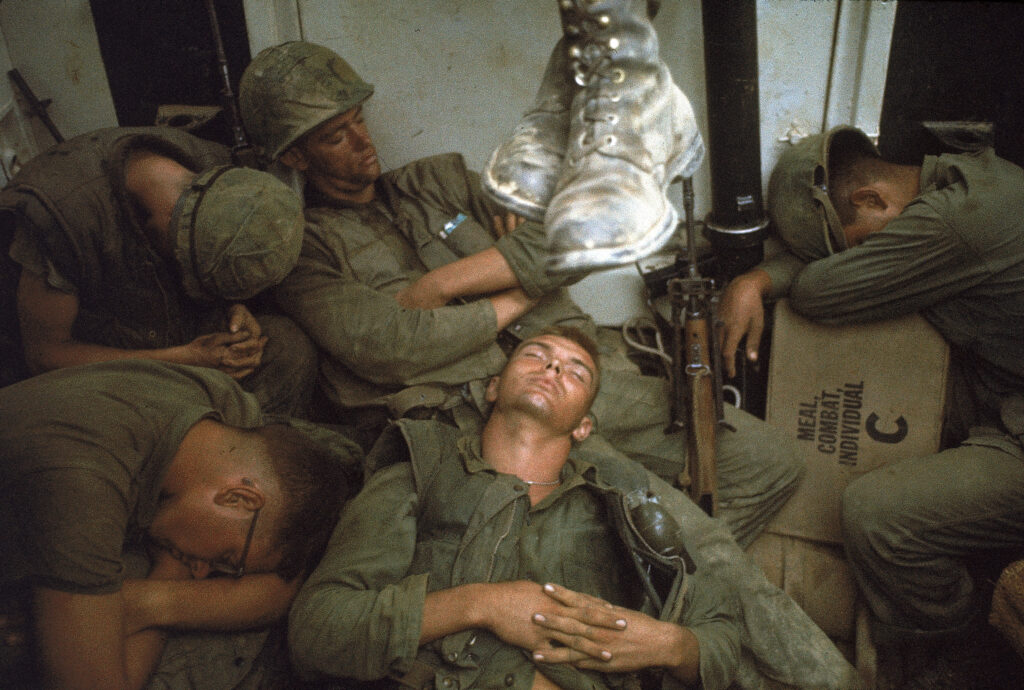
Rest for the Weary: Images of Sleep

lifestyle

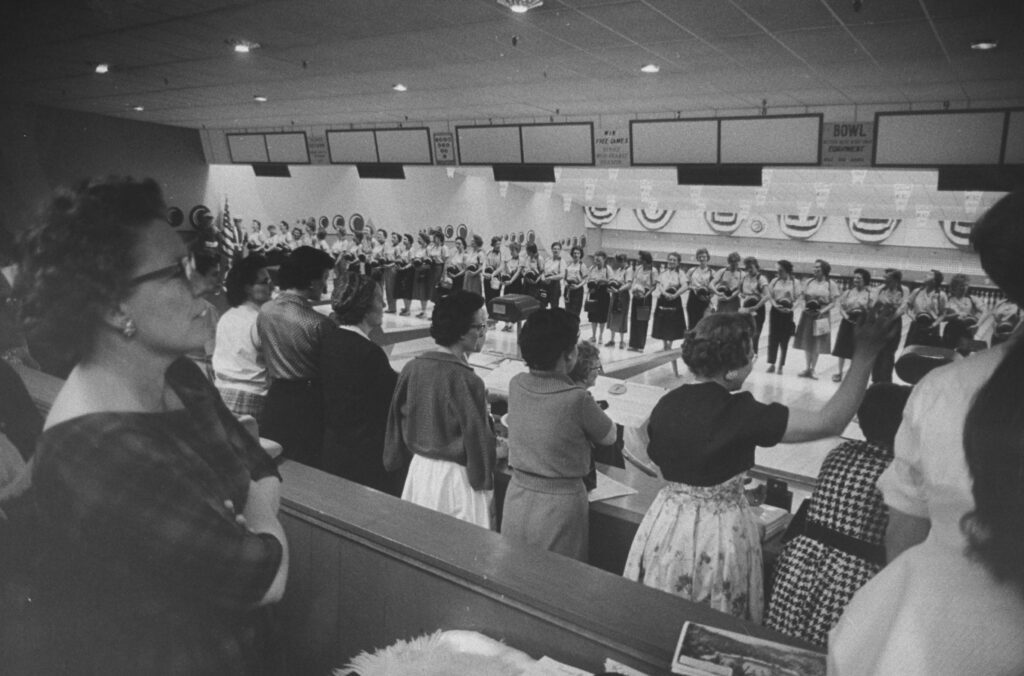
When Bowling Was Women’s “Greatest Social Center Since the Back Fence”

lifestyle

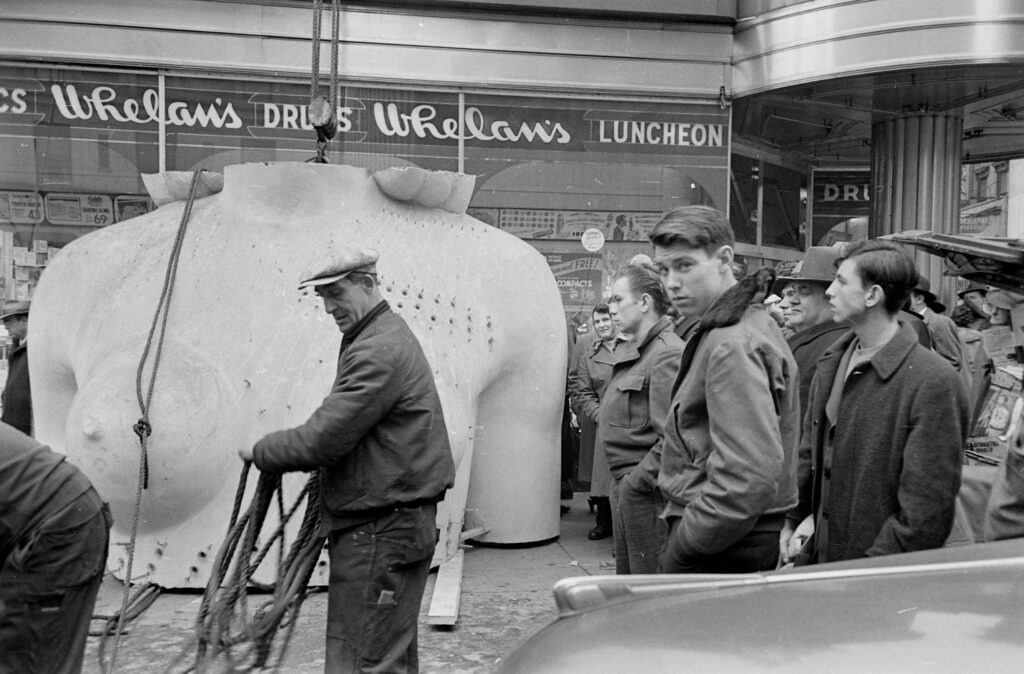
The Making of Times Square’s “Anatomical Artistic Atrocity”

Beach scene at Lima, Peru, 1959 lifestyle

LIFE’s Favorite Vintage Surfing Photos

lifestyle

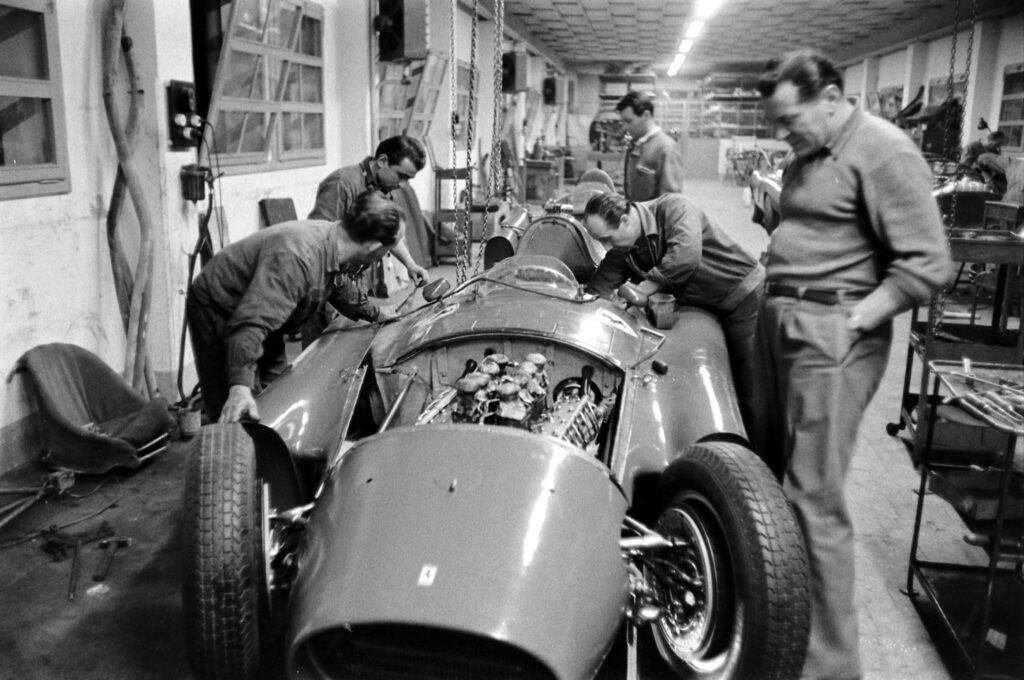
From the Factory to the Track: Inside the Fantastic World of Ferrari Racing

lifestyle

Shoes That Really Match the Outfit