LIFE’s Favorite Vintage Surfing Photos

It’s more than the sun and the sea that makes surfing pictures so appealing. It’s also that surfers just seem to be living right. It is the rare sport that is both a pastime and a way of life. There are many quotes about the unique appeal of surfing, including this one from Frosty Hesson: “If you’re having a bad day, catch a wave.” Hesson made his name as a big-wave surfer, but the sentiment can be understood by anyone who has ever taken a refreshing dip in the ocean. 

The sense of people enjoying themselves by the sea is what makes these surfing photos such a pleasure, and it’s why when you look at the best-selling photos in the LIFE print store that have anything to do with sports, you find that surfing is as popular as any. 

Many LIFE photographers took their turns having a day at the beach. Some of the most wonderful photos were taken by Allan Grant, more noted as a chronicler of Hollywood. But he also swung out to nearby Malibu and captured the surf culture there. This overhead shot of riders catching a wave is LIFE’s best-selling surf print.

LIFE photographers such as Ralph Crane, Loomis Dean and Frank Scherschel turned up gems as well. All these images are wonderful. Enjoy.

Surfing, Malibu, California 1961

Surfing, Malibu, California 1961

Allan Grant/Life Pictures/Shutterstock

Surfing, Malibu, Calif., 1961

Surfing, Malibu, California, 1961

Allan Grant/Life Pictures/Shutterstock

Surfers, Malibu, California 1961

Surfers, Malibu, California 1961

Allan Grant/Life Pictures/Shutterstock

Surfing, California, 1950

Surfing, California, 1950.

Loomis Dean/Life Pictures/Shutterstock

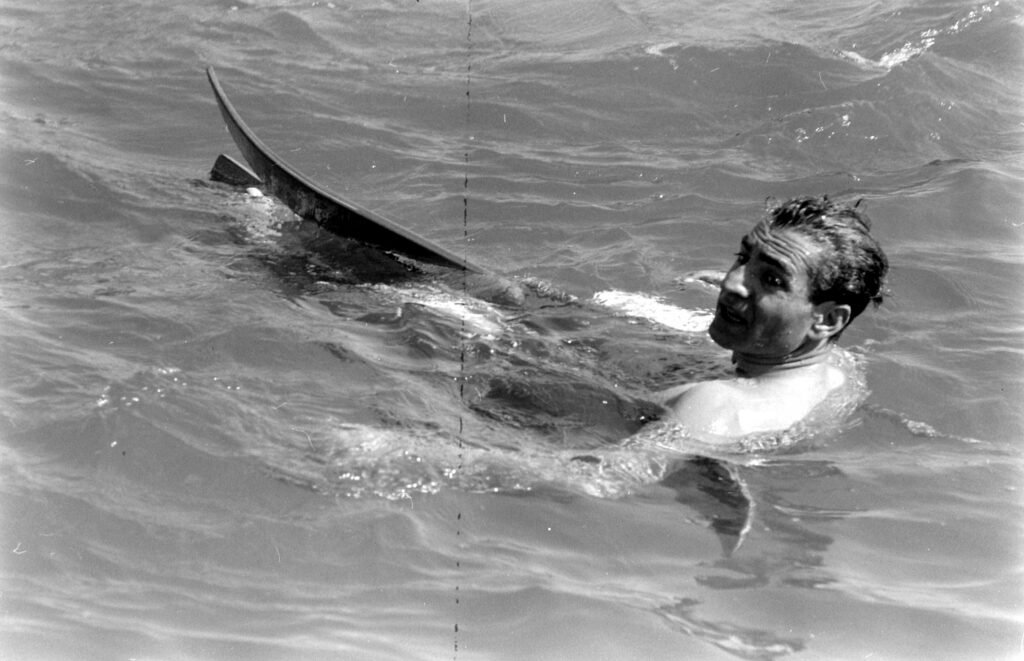
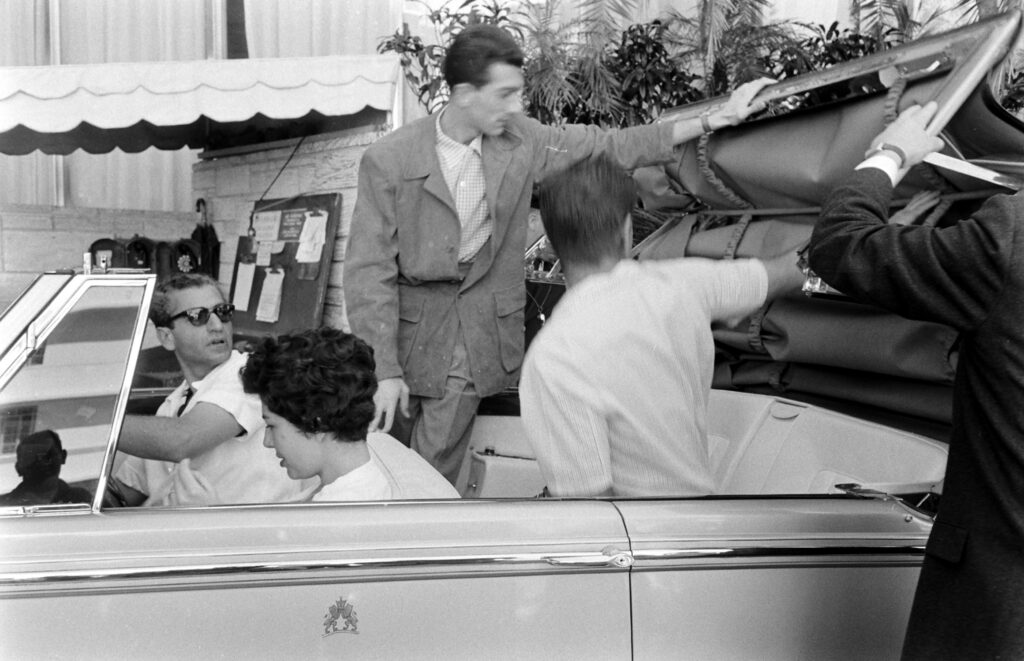
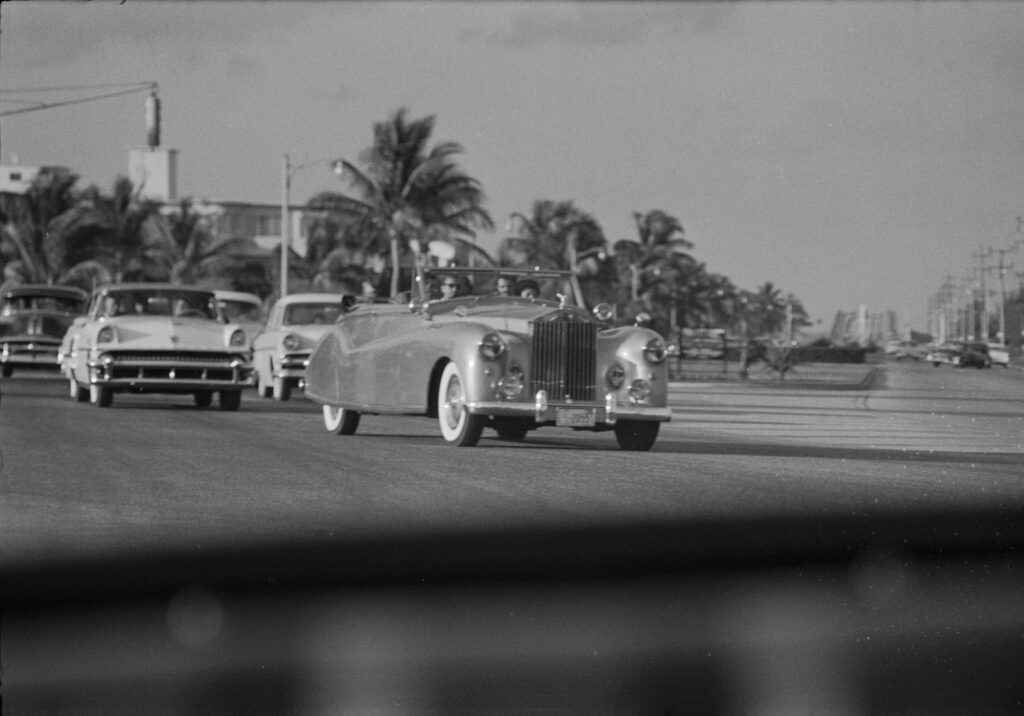
Surfing, Lima, Peru, 1959

Surfing, Lima, Peru, 1959.

Frank Scherschel/Life Pictures/Shutterstock

Surfing, Hawaii, 1959

Surfing, Hawaii, 1959.

Ralph Crane/Life Pictures/Shutterstock

Surfing, Manhattan Beach, Calif., 1965

Surfing, Manhattan Beach, Calif., 1965.

Ralph Crane/Life Pictures/Shutterstock

Surfing, Australia, 1958

Surfing, Australia, 1958.

John Dominis/Life Pictures/Shutterstock

Surfing, Australia, 1958

Surfing, Australia, 1958.

John Dominis/Life Pictures/Shutterstock

Surfing, Hawaii, 1963

Surfing, Hawaii, 1963.

George Silk/Life Pictures/Shutterstock

Surfing, Lima, Peru, 1959

Surfing, Lima, Peru, 1959.

Frank Scherschel/Life Pictures/Shutterstock

Surfing, Malibu, Calif., 1961

Surfing, Malibu, Calif., 1961

Allan Grant/Life Pictures/Shutterstock

Surfing, Hawaii, 1959

Surfing, Hawaii, 1959.

Ralph Crane/Life Pictures/Shutterstock

Surfing, Malibu, Calif., 1961

Surfing, Malibu, Calif., 1961.

Allan Grant/Life Pictures/Shutterstock

Surfing, Malibu, Calif., 1961

Surfing, Malibu, California, 1961.

Allan Grant/Life Pictures/Shutterstock

Sixteen-year-old Kathy Kohner (the real-life inspiration for the character of Gidget) rides a wave, Malibu, Calif., 1957.

Sixteen-year-old Kathy Kohner (the real-life inspiration for the character of Gidget) rode a wave, Malibu, Calif., 1957.

Allan Grant/Life Pictures/Shutterstock

Surfing, Malibu, Calif., 1961

Surfing, Malibu, California, 1961

Allan Grant/Life Pictures/Shutterstock

Surfing, San Onofre, Calif., 1950

Surfing, San Onofre, California, 1950.

Loomis Dean/Life Pictures/Shutterstock

Surfing, San Onofre, Calif., 1950.

Surfing, San Onofre, California, 1950.

Loomis Dean/Life Pictures/Shutterstock

Surfing, Lima, Peru, 1959

Surfing, Lima, Peru, 1959.

Frank Scherschel/Life Pictures/Shutterstock

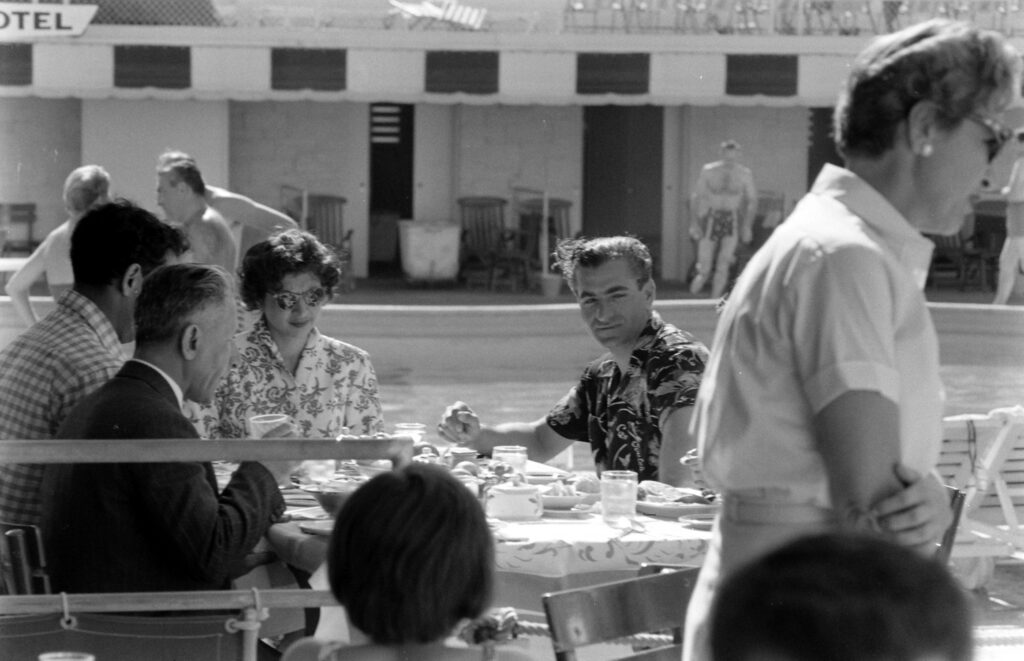
Beach scene at Lima, Peru, 1959

The beach scene at Lima, Peru, 1959.

Frank Scherschel/Life Pictures/Shutterstock

Surfing, Malibu, Calif., 1957

Surfing, Malibu, California, 1957

Allan Grant/Life Pictures/Shutterstock

Surfing, San Onofre, Calif., 1950

Surfing, San Onofre, California, 1950

Loomis Dean/Life Pictures/Shutterstock

Surfing, San Onofre, Calif., 1950

Surfing, San Onofre, California, 1950.

Loomis Dean/Life Pictures/Shutterstock

Cowboy Life in the Australian Outback

The cowboy is one of distinct characters of American life. And while their numbers have been dwindling for ages— in 1949 LIFE ran a memorable story on the vanishing American cowboy—today movies and TV shows with Western themes have never been more popular.

And it’s worth noting that while cowboys are original to America, versions could be found on other continents. In 1967 LIFE wrote the frontier people of the Australian Outback. The story appeared in a double issue devoted to what LIFE termed “The Wild World.”

To the reckoning of LIFE editor Don Moser, the Outback was even more rugged than the Old West. Here’s how he put it:

The Outback of Australia is a frontier, and the men and women who live in it are frontiersmen just like those who opened the American West—cattlemen, prospectors, professional hunters. But their frontier is harder than ours ever was. It is, God knows, beautiful, but without prettiness—the austere beauty of light and space, of harsh country and big sky. There are vast red deserts, bizarre hills and strange ridges, chasms and gorges, dry riverbeds of white sand, and above all, endless miles of blank, brutal land.

The photos by George Silk capture that world in vivid color, and Moser’s words bring to life the characters trying to make a life in the Outback. One cattle rancher, Bill Waudby, talked about the dry years he had endured. He quipped, “It’s not hard to become a cattle baron out here. It just depends on how you spell baron.”

Silk photographed a rancher named Joe Mahood while he was breaking a wild horse. Mahood is quoted as saying, “You’ve got to be as gentle as you can. But as gentle as you can is fairly rough.” Silk also documented life for Mahood’s family, which included his three younger kids receiving their school lessons over a two-way radio from a teacher who was hundreds of miles away. Talk about your remote learning.

The Mahood family’s nearest neighbor was 120 miles away. But seven-year-old Tracy Mahood told LIFE she had no interest in moving. “There are too many people in the town, there’s not enough space to wander, and you don’t get goannas there.”

The frontier spirit could not be summed up any better.

A stockman broke an untamed horse at a ranch in the Australian Outback, 1966.

George Silk/Life Picture Collection/Shutterstock
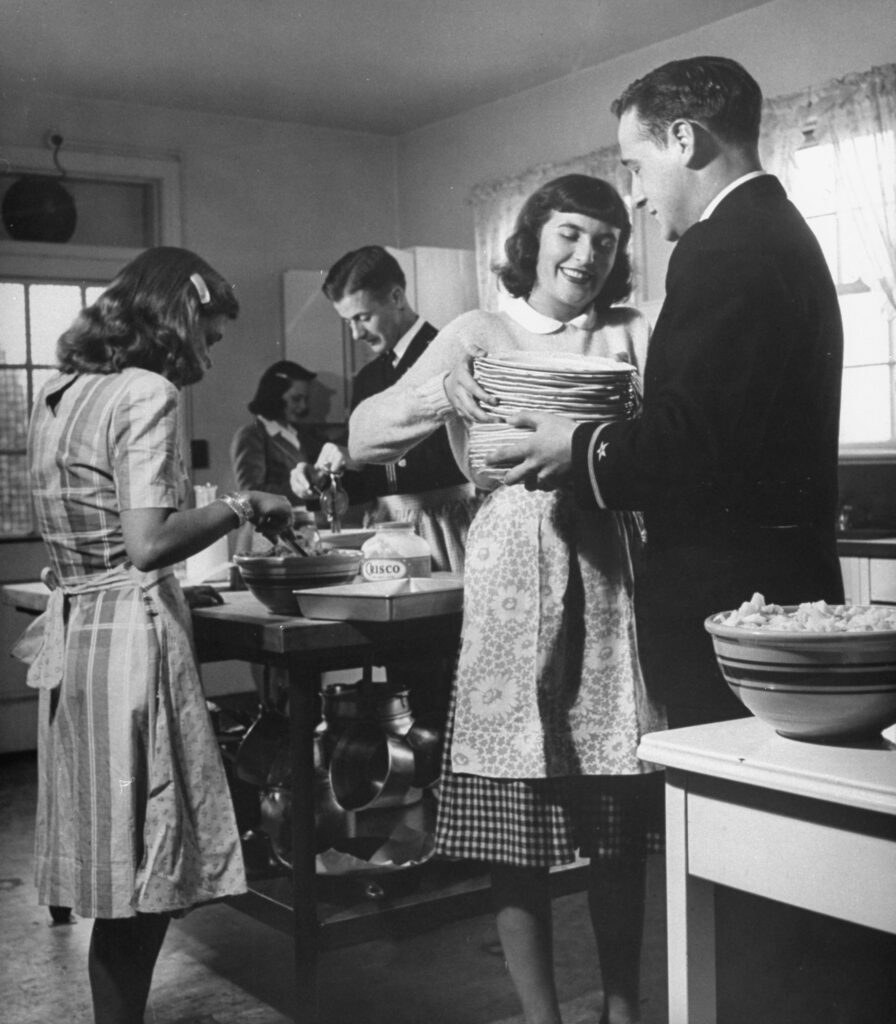
A stockman broke an untamed horse at a ranch in the Australian Outback, 1966.

George Silk/Life Picture Collection/Shutterstock
Joe Mahood, a rancher in the Australian Outback, gets a recently broken horse used to a saddle blanket, 1966.

George Silk/Life Picture Collection/Shutterstock
After five hours of struggle, Australian horse farmer Joe Mahood sat on top of exhausted horse he has finally tamed, 1966.

George Silk/Life Picture Collection/Shutterstock
Joe Mahood, a rancher in the Australian Outback, posed with his three youngest children; his teenage daughter moved away to go to school, because there were none nearby,1966.

George Silk/Life Picture Collection/Shutterstock
Five-year-old Jim Mahood received his school lessons over two-way radio while growing up on his father’s ranch in the Australian Outback, 1966.

George Silk/Life Picture Collection/Shutterstock
Five-year-old Jim Mahood ran in the tall grass around his father’s ranch in the Australian Outback, 1966.

George Silk/Life Picture Collection/Shutterstock
Bill Waudby learned through hard experience that running a ranch in the Australian Outback meant weathering some dry years, 1966.

George Silk/Life Picture Collection/Shutterstock
Battered hands fashion a popper on the Australian Outback, 1966.

George Silk/Life Picture Collection/Shutterstock
George Girdler, professional hunter of wild horses, in the Australian Outback, 1966.

George Silk/Life Picture Collection/Shutterstock
George Girdler, professional hunter of wild horses, in the Australian Outback, 1966.

George Silk/Life Picture Collection/Shutterstock
George Girdler, professional hunter, played with a foal in the Australian Outback, 1966.

George Silk/Life Picture Collection/Shutterstock
George Girdler, professional hunter, in the Australian Outback, 1966.

George Silk/Life Picture Collection/Shutterstock
Wild horse hunter George Girdler roared off on motorcycle with his dogs trailing behind in Australia, 1966.

George Silk/Life Picture Collection/Shutterstock
The sand hills of the Simpson Desert in central Australian, 1966.

George Silk/Life Picture Collection/Shutterstock
Cowboys in the Australian Outback, 1966.

George Silk/Life Picture Collection/Shutterstock
In the Australian Outback a stockman worked with one of his horses at dawn, 1966.

George Silk/Life Picture Collection/Shutterstock
Meet Peter, the Pelican Mascot of Mykonos

Since the 1950s the Greek island of Mykonos, a popular tourist spot, has had a mascot that is as beloved as it is peculiar-looking.

He is a pelican named Petros, also know as Peter. He first came to Mykonos when a local fisherman found the wounded bird and brought him home for nursing. Peter soon became a local character on the tiny island, which is only 33 square miles in size.

Photographs taken by LIFE photographer James Burke in 1961 show Peter amusing beachgoers on the shore, cavorting about town and spending time with a fisherman. Because Burke’s photos were taken for a story that never ran in LIFE, we can’t be sure if that fisherman is the one who rescued Peter. But that would make sense because the two seem awfully attached to each other. In some photos Peter and the fisherman are nose-to-beak.

As a pelican, his long beak is Peter’s most distinctive physical characteristic. Pelicans, with their particular shape, are excellent fishing birds who thrive near water, so an island in the Aegean sea was an ideal place for Peter to make a home.

Peter died in 1985 after being hit by a car, and one obituary hailed him as “the world’s most famous pelican.” By then the bird had become ingrained in Mykonos’ identity, and several pelicans were brought in to replace Peter, including one that was donated by former First Lady Jacqueline Kennedy Onassis.

So visitors to Mykonos today can still take photos with a friendly pelican.

Peter, a pelican who had been found wounded and then nursed to health on Mykonos, became the Greek island’s mascot, 1961.

James Burke/Life Picture Collection/Shutterstock
Peter, a pelican who had been found wounded and then nursed to health on Mykonos, became the Greek island’s mascot, 1961.

James Burke/Life Picture Collection/Shutterstock
Peter, who had been found wounded and then nursed to health on Mykonos, became the Greek island’s mascot, 1961.

James Burke/Life Picture Collection/Shutterstock
Peter, a pelican who had been found wounded and then nursed to health on Mykonos, became the Greek island’s mascot, 1961.

James Burke/Life Picture Collection/Shutterstock
Peter, a pelican who had been found wounded and then nursed to health on Mykonos, became the Greek island’s mascot, 1961.

James Burke/Life Picture Collection/Shutterstock
Peter, a pelican who had been found wounded and then nursed to health on Mykonos, became the Greek island’s mascot, 1961.

James Burke/Life Picture Collection/Shutterstock

Peter, a pelican who had been found wounded and then nursed to health on Mykonos, became the Greek island’s mascot, 1961.

James Burke/Life Picture Collection/Shutterstock
Peter, a pelican who had been found wounded and then nursed to health on Mykonos, became the Greek island’s mascot, 1961.

James Burke/Life Picture Collection/Shutterstock
Peter, a pelican who had been found wounded and then nursed to health on Mykonos, became the Greek island’s mascot, 1961.

James Burke/Life Picture Collection/Shutterstock
Peter, a pelican who had been found wounded and then nursed to health on Mykonos, became the Greek island’s mascot, 1961.

James Burke/Life Picture Collection/Shutterstock
Peter, a pelican who had been found wounded and then nursed to health on Mykonos, became the Greek island’s mascot, 1961.

James Burke/Life Picture Collection/Shutterstock
Peter, a pelican who had been found wounded and then nursed to health on Mykonos, became the Greek island’s mascot, 1961.

James Burke/Life Picture Collection/Shutterstock
Peter the Pelican napped while standing on the island of Mykonos, 1961.

James Burke/Life Picture Collection/Shutterstock
Peter, a pelican who had been found wounded and then nursed to health on Mykonos, became the Greek island’s mascot, 1961.

James Burke/Life Picture Collection/Shutterstock
Peter, a pelican who had been found wounded and then nursed to health on Mykonos, became the Greek island’s mascot, 1961.

James Burke/Life Picture Collection/Shutterstock
Peter, a pelican who had been found wounded and then nursed to health on Mykonos, became the Greek island’s mascot, 1961.

James Burke/Life Picture Collection/Shutterstock
Peter, a pelican who had been found wounded and then nursed to health on Mykonos, became the Greek island’s mascot, 1961.

James Burke/Life Picture Collection/Shutterstock
Peter, a pelican who had been found wounded and then nursed to health on Mykonos, became the Greek island’s mascot, 1961.

James Burke/Life Picture Collection/Shutterstock
Peter, a pelican who had been found wounded and then nursed to health on Mykonos, became the Greek island’s mascot, 1961.

James Burke/Life Picture Collection/Shutterstock
Peter, a pelican who had been found wounded and then nursed to health on Mykonos, became the Greek island’s mascot, 1961.
James Burke/Life Picture Collection/Shutterstock
The Glamorous Anita Ekberg in LIFE

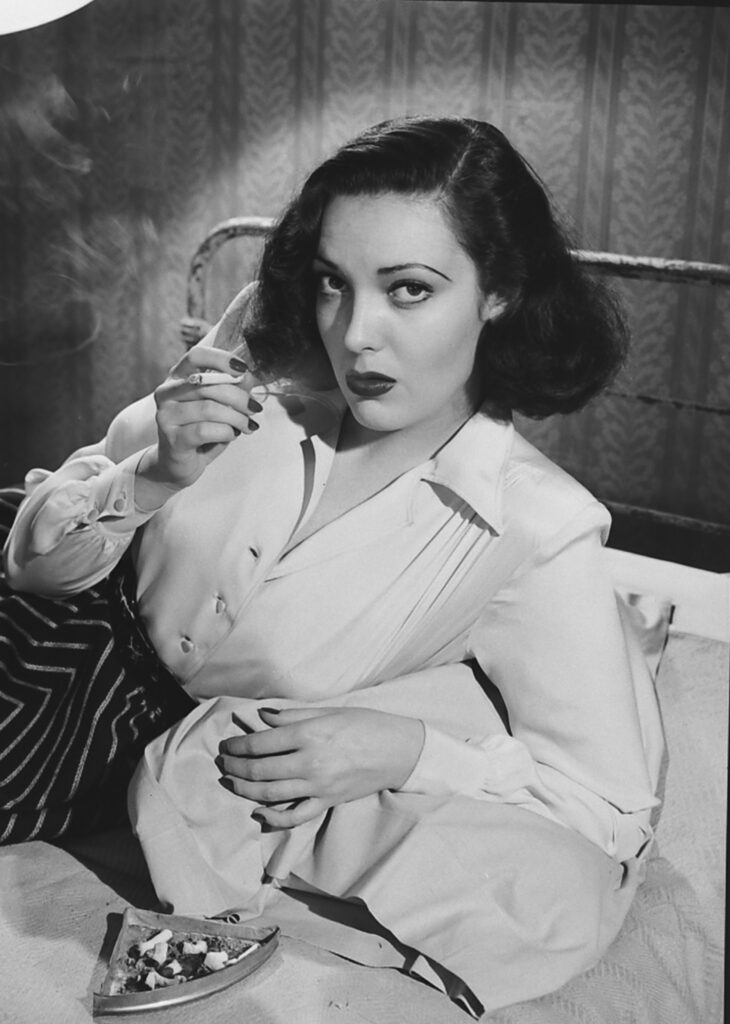
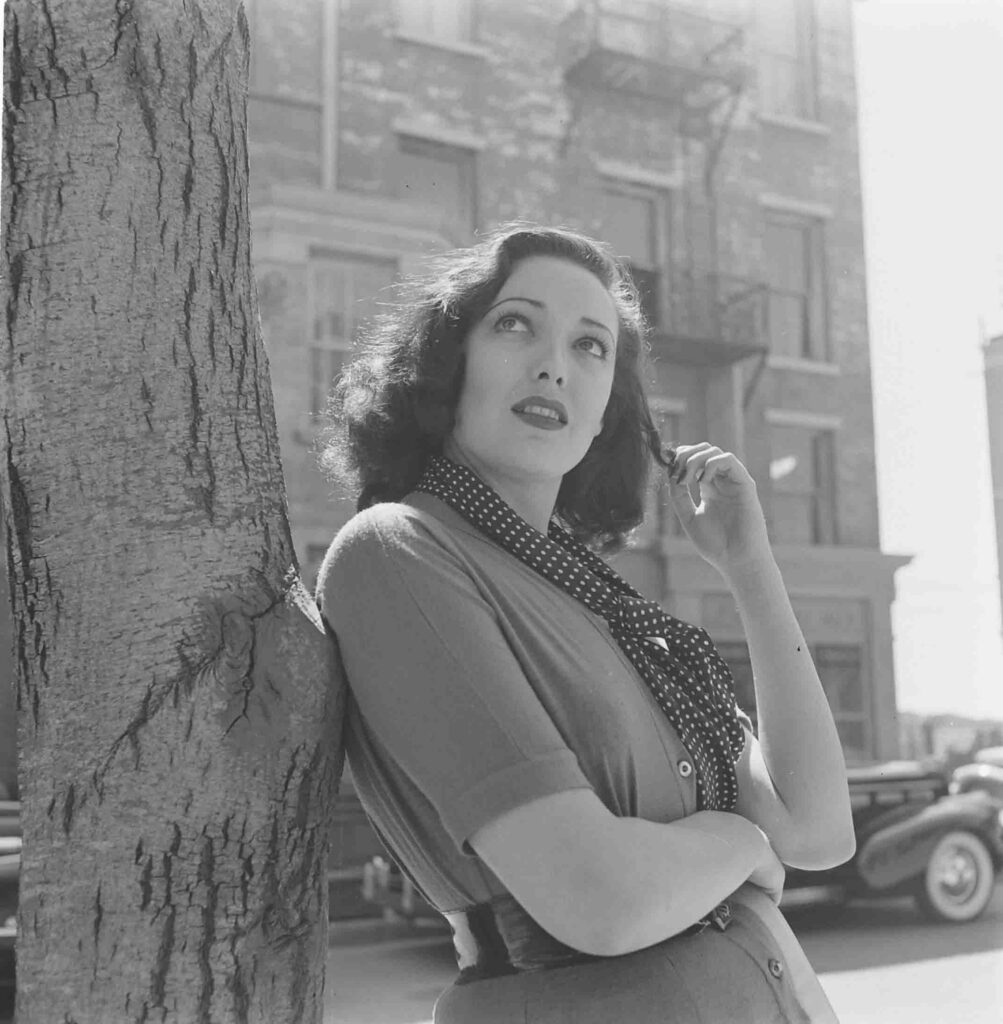
Anita Ekberg was twenty years old when she first appeared in LIFE magazine. In 1951 the magazine breathlessly introduced this relative unknown model to readers in a story headlined “Beautiful Maid of Malmo.”

The most photographed, most pursued, and most popular girl at the most recent Miss America contest in Atlantic City was the blue-eyed blonde shown above, who boasts a sunny face and a stunning figure, a five-word English vocabulary—ya, no, hamboorger, El Morocco, ice cream—and was not eligible for the contest. The beautiful blonde was 20-year-old Anita Ekberg who, as Miss Sweden, was a guest of honor.

The gist of the story was that Ekberg, hot off being named Miss Sweden, had come to the United States to further her modeling career. LIFE photographer Lisa Larsen captured Ekberg meeting with a titan of that business, Eileen Ford.

The magazine was clearly among those impressed with the young Swede. Mere months later Ekberg posed in Los Angeles for another LIFE photographer, Allan Grant. And she would pose for Grant again in 1956.

In addition to modeling, Ekberg soon launched an acting career. She picked up small parts in films beginning in 1953, including playing an alien in Abbott and Costello Go to Mars. In 1955 staff photographer Loomis Dean captured Ekberg’s appearance on the short-lived television version of Casablanca.

In 1956 Ekberg then debuted on the cover of LIFE, when the magazine wrote about the film adaptation of War and Peace. Ekberg had a supporting role—the female lead in the movie was played by Audrey Hepburn—but that didn’t stop LIFE from devoting a major feature to her, photographed by James Whitmore.

The headline of that story, “Malmo Maid Makes Good,” celebrated how far the young model had come from her first appearance in the magazine.

Anita Ekberg made her first appearance in LIFE at age 20, in 1951, when she was an aspiring model. In this photo she wore a hostess hat from Scandanavian Airlines.

Lisa Larsen/Life Picture Collection/Shutterstock
Anita Ekberg made her first appearance in LIFE at age 20, in 1951. In this photo, as she looked to advance her modeling career, she was having her hips measured by agency executive Eileen Ford, 1951.

Lisa Larsen/Life Picture Collection/Shutterstock
Anita Ekberg made her first appearance in LIFE at age 20, in 1951.

Lisa Larsen/Life Picture Collection/Shutterstock
Anita Ekberg made her first appearance in LIFE at age 20, in 1951.

Lisa Larsen/Life Picture Collection/Shutterstock
Anita Ekberg made her first appearance in LIFE at age 20, in 1951.

Lisa Larsen/Life Picture Collection/Shutterstock
Anita Ekberg in Los Angeles, 1951.

Allan Grant/Life Picture Collection/Shutterstock
Anita Ekberg in Los Angeles, 1951.

Allan Grant/Life Picture Collection/Shutterstock
Anita Ekberg in Los Angeles, 1951.

Allan Grant/Life Picture Collection/Shutterstock
Anita Ekberg in Los Angeles, 1951.

Allan Grant/Life Picture Collection/Shutterstock
Anita Ekberg in Los Angeles, 1951.

Allan Grant/Life Picture Collection/Shutterstock
Anita Ekberg in Los Angeles, 1951.

Allan Grant/Life Picture Collection/Shutterstock
Anita Ekberg in Los Angeles, 1951.

Allan Grant/Life Picture Collection/Shutterstock

Model and actress Anita Ekberg posed for LIFE in 1955.

Allan Grant/Life Picture Collection/Shutterstock
Model and actress Anita Ekberg posed for LIFE in 1955.

Allan Grant/Life Picture Collection/Shutterstock

Model and actress Anita Ekberg posed for LIFE in 1955.

Allan Grant/Life Picture Collection/Shutterstock

Model and actress Anita Ekberg posed for LIFE in 1955.

Allan Grant/Life Picture Collection/Shutterstock
Model and actress Anita Ekberg posed for LIFE in 1955.

Allan Grant/Life Picture Collection/Shutterstock
Model and actress Anita Ekberg posed for LIFE in 1955.

Allan Grant/Life Picture Collection/Shutterstock

Model and actress Anita Ekberg posed for LIFE in 1955.

Allan Grant/Life Picture Collection/Shutterstock

Anita Ekberg and Clarence Muse appeared in the television version of Casablanca, which ran for ten episodes from 1955-56.

Loomis Dean/Life Picture Collection/Shutterstock

Anita Ekberg appeared in the 1950s television version of Casablanca.

Loomis Dean/Life Picture Collection/Shutterstock
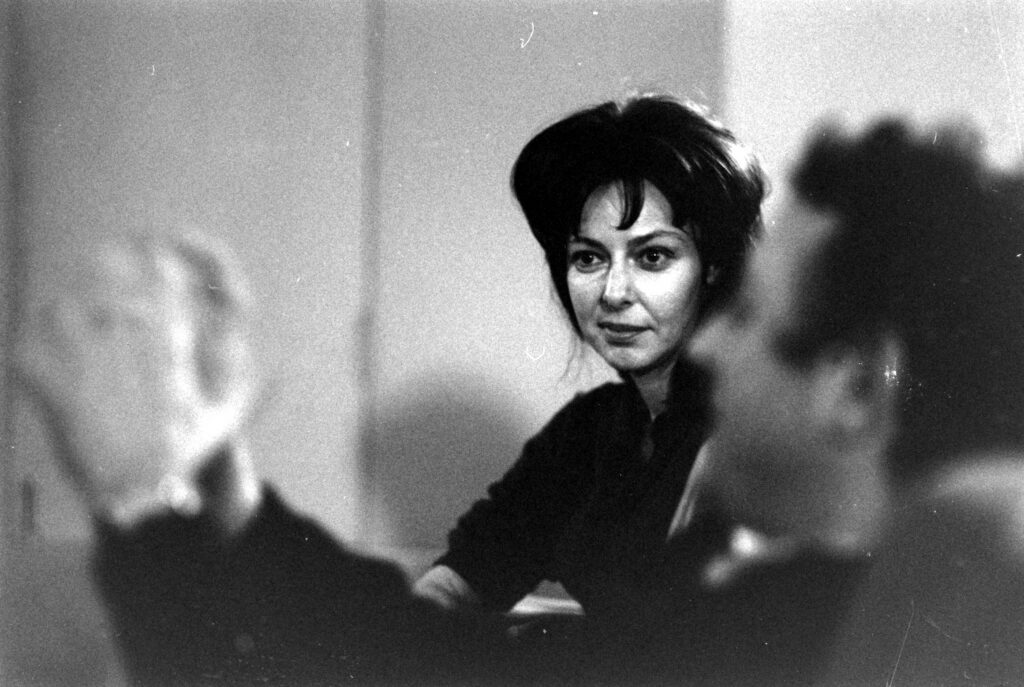
Anita Ekberg appeared in the 1956 film version of War and Peace.

James Whitmore/Life Picture Collection/Shutterstock
Anita Ekberg appeared in the 1956 film version of War and Peace.

James Whitmore/Life Picture Collection/Shutterstock

Did You Know Casablanca Was Also a TV Show?

Casablanca is one of the most beloved movies in history. When the American Film Institute listed its top 100 movies, the film from 1942 came in second, behind Citizen Kane and just ahead of The Godfather.

So perhaps its not surprising that Hollywood tried to take another bite from that apple. In 1955 ABC aired a Casablanca television series built around the continuing adventures of freedom-loving cafe owner Rick Blaine in the age of the Cold War. The show was part of a rotating series of dramas presented under the aegis Warner Bros Presents. Warner Bros had been the studio that made the original movie.

But the magic of the movie could not be recaptured, and the series ran for only ten episodes. What went wrong?

According to the book Short-Lived Television Series 1948-1978: Thirty Years of More Than 1,000 Flops by Wesley Hyatt, the problems began with casting. Humphrey Bogart had no interest in playing Rick Blaine again. The show’s director, John Peyser, set his sights on Anthony Quinn, but the actor’s asking price proved too high. So they ended up casting Charles McGraw—who, according to Peyser, “couldn’t act his way out of a hat.” Also, according to Peyser, the scripts were terrible.

With the benefit of hindsight, it’s easy to see another issue. The movie Casablanca was not only the story of the resistance movement during World War II but also a romance between Rick Blaine and Ilsa Lund (played by Ingrid Bergman), the woman who broke Rick’s heart in Paris.

The television show couldn’t easily bring back the Ilsa Lund character because of the way the movie ended, with Rick sending Ilsa away in a grand moment of self-sacrifice for a larger cause. In a speech for the ages Rick declared that their problems didn’t amount to a hill of beans in this crazy world, but here’s looking at you, kid.

In the television show, Rick didn’t have a “kid” to look at—except for one episode. Anita Ekberg, who like Bergman was Swedish, made a guest appearance playing a character named Katrina Jorgenson. Ekberg’s character was the center of attention when LIFE staff photographer Loomis Dean visited the set for photos. In the shots where Ekberg poses with Clarence Muse, who portrays Sam the piano player, Ekberg looks like she is just about to ask Sam to play As Time Goes By.

Dean’s camera knew what the show’s creators did not, because they capture what the show was missing. If Ekberg had been in more than one episode, maybe that would have been the beginning of a beautiful TV series.

Anita Ekberg and Clarence Muse appeared in the television version of Casablanca, which ran for ten episodes from 1955-56.

Loomis Dean/Life Picture Collection/Shutterstock

Anita Ekberg and Clarence Muse appeared in the television version of Casablanca, which ran for ten episodes from 1955-56.

Loomis Dean/Life Picture Collection/Shutterstock

Anita Ekberg and Clarence Muse appeared in the television version of Casablanca, which ran for ten episodes from 1955-56.

Loomis Dean/Life Picture Collection/Shutterstock

The television series Casablanca ran for ten episodes from 1955-56.

Loomis Dean/Life Picture Collection/Shutterstock

Anita Ekberg appeared in the 1950s television version of Casablanca.

Loomis Dean/Life Picture Collection/Shutterstock

Anita Ekberg appeared in the 1950s television version of Casablanca.

Loomis Dean/Life Picture Collection/Shutterstock

From the Factory to the Track: Inside the Fantastic World of Ferrari Racing

Some people may only know Ferrari as a maker of luxury sports cars, but the company is also the most storied maker of racing cars for Formula 1. Ferrari has competed for every world championship since 1950, and its racers have the most race wins in Formula 1, a good bit ahead of rival McClaren and way out in front of the third place finisher, Mercedes.

In 1956 LIFE photographer Thomas Mcavoy went deep inside the Ferrari racing operation, following cars from their construction in Maranello, Italy, to their racing at the prestigious Monaco Grand Prix. Appearing in the some of the pictures is company namesake Enzo Ferrari himself.

Enzo Ferrari once said, among his many aphorisms, “Race cars are neither beautiful nor ugly. They become beautiful when they win.” Still, most would agree that his cars are quite stylish, and some of the images McAvoy shot with the cars on the streets of Monaco look like they could come from fashion shoots.

One of Ferrari’s drivers, Peter Collins, is photographed with his wife, actress Louise Cordier, and they were a certified mid-50s glamour couple. Reportedly the only person who didn’t approve of their marriage was Enzo Ferrari, who worried that the relationship would distract Collins from his racing.

After seeing the elaborate process required to construct a Ferrari racer, it’s plain to what Enzo Ferrari put his love into.

Outside the Ferrari factory, company namesake Enzo Ferrari (left) and head mechanic Vittorio Bellentani (right) spoke with an unidentified man next to a Lancia Ferrari D50 car, Maranello, Italy, early 1956.

Thomas Mcavoy/Life Picture Collection/Shutterstock

Ferrari head mechanic Vittorio Bellentani (second left, in dark blazer) watched as other mechanics lowered an engine into the chassis of a Lancia Ferrari D50 car (which will be raced in the Monaco Grand Prix) at the company’s factory, Maranello, Italy, early 1956.

Thomas Mcavoy/Life Picture Collection/Shutterstock

Ferrari head mechanic Vittorio Bellentani (center) watched as other mechanics lowered an engine into the chassis of a Lancia Ferrari D50 car that would be raced in the Monaco Grand Prix, Maranello, Italy, May 16, 1956.

Thomas Mcavoy/Life Picture Collection/Shutterstock

An unidentified Ferrari mechanic worked on a Lancia Ferrari D50 car for the Monaco Grand Prix, at the company’s factory in Maranello, Italy, May 16, 1956.

Thomas Mcavoy/Life Picture Collection/Shutterstock

Mechanics worked on building a car for the Monaco Grand Prix at the Ferrari plant in Maranello, Italy, 1956.

Thomas Mcavoy/Life Picture Collection/Shutterstock

Ferrari mechanics lowered an engine into the chassis of a Lancia Ferrari D50 car at the company’s factory, Maranello, Italy, early 1956.

Thomas Mcavoy/Life Picture Collection/Shutterstock

An unidentified Ferrari mechanic stripped a brake drum from a Lancia Ferrari D50 car at the company’s factory, Maranello, Italy, early 1956. This drum went into the car raced by Peter Collins at the Monaco Grand Prix..

Thomas Mcavoy/Life Picture Collection/Shutterstock

Mechanics worked on building a car for the Monaco Grand Prix at the Ferrari plant in Maranello, Italy, 1956.

Thomas Mcavoy/Life Picture Collection/Shutterstock

Mechanics worked on building a car for the Monaco Grand Prix at the Ferrari plant in Maranello, Italy, 1956.

Thomas Mcavoy/Life Picture Collection/Shutterstock

Mechanics worked on building a car for the Monaco Grand Prix at the Ferrari plant in Maranello, Italy, 1956.

Thomas Mcavoy/Life Picture Collection/Shutterstock

Mechanics worked on building a car for the Monaco Grand Prix at the Ferrari plant in Maranello, Italy, 1956.

Thomas Mcavoy/Life Picture Collection/Shutterstock

Mechanics worked on building a car for the Monaco Grand Prix at the Ferrari plant in Maranello, Italy, 1956.

Thomas Mcavoy/Life Picture Collection/Shutterstock

Ferrari mechanics readied Lancia Ferrari D50 cars for the Monaco Grand Prix, at the company’s factory in Maranello, Italy, early 1956.

Thomas Mcavoy/Life Picture Collection/Shutterstock

An unidentified Ferrari mechanic pushed an engine for a Lancia Ferrari D50 car to be raced in the Monaco Grand Prix, on a cart at the company’s factory, Maranello, Italy, early 1956.

Thomas Mcavoy/Life Picture Collection/Shutterstock

An unidentified Ferrari mechanic inspected the body shell segments for a Lancia Ferrari D50 car outside the company’s factory, Maranello, Italy, early 1956.

Thomas Mcavoy/Life Picture Collection/Shutterstock

Outside the Ferrari factory, head mechanic Vittorio Bellentani (in dark blazer) and company namesake Enzo Ferrari stood near several Lancia Ferrari D50 cars that would be raced in the Monaco Grand Prix, Maranello, Italy, early 1956.

Thomas Mcavoy/Life Picture Collection/Shutterstock

Enzo Ferrari stood in front of his race cars at the Ferrari factory in Maranello, Italy, 1956.

Thomas Mcavoy/Life Picture Collection/Shutterstock

A Ferrari car on its way to the Monaco Grand Prix, 1956.

Thomas Mcavoy/Life Picture Collection/Shutterstock

A Ferrari car on its way to the Monaco Grand Prix, 1956.

Thomas Mcavoy/Life Picture Collection/Shutterstock

Ferrari racing driver Peter Collins enjoyed a drink with his soon-to-be-wife, American actress Louise Cordier at the Monaco Grand Prix, May 13, 1956.

Thomas Mcavoy/Life Picture Collection/Shutterstock

Italian racing driver Eugenio Castellotti stood over his Lancia/Ferrari D50 prior to the Monaco Grand Prix race, May 13, 1956. With him are unidentified mechanics.

Thomas Mcavoy/Life Picture Collection/Shutterstock

A Ferrari car at the Monaco Grand Prix, 1956.

Thomas Mcavoy/Life Picture Collection/Shutterstock

A Ferrari car at the Monaco Grand Prix, 1956.

Thomas Mcavoy/Life Picture Collection/Shutterstock

A Ferrari car at the Monaco Grand Prix, 1956.

Thomas Mcavoy/Life Picture Collection/Shutterstock

A Ferrari car at the Monaco Grand Prix, 1956.

Thomas Mcavoy/Life Picture Collection/Shutterstock

A Ferrari car at the Monaco Grand Prix, 1956.

Thomas Mcavoy/Life Picture Collection/Shutterstock

A Ferrari car at the Monaco Grand Prix, 1956.

Thomas Mcavoy/Life Picture Collection/Shutterstock

The start of the Grand Prix de Monaco, May 13, 1956. British driver Stirling Moss (#28, center), in a Maserati 250F, went on to win the race. Others visible include Argentine Juan Fangio (#20) and Italian Eugenio Castellotti (#22), both in Ferraris on either side of Moss.

Thomas Mcavoy/Life Picture Collection/Shutterstock

British driver Stirling Moss (later Sir Stirling Moss) raced a Maserati 250F car in the Grand Prix de Monaco in Monte Carlo, Monaco, May 13, 1956. He went on to win the race.

Thomas Mcavoy/Life Picture Collection/Shutterstock

More Like This

lifestyle

The Politics of Butter vs. Margarine

lifestyle

Rest for the Weary: Images of Sleep

lifestyle

When Bowling Was Women’s “Greatest Social Center Since the Back Fence”

lifestyle

The Making of Times Square’s “Anatomical Artistic Atrocity”

Beach scene at Lima, Peru, 1959 lifestyle

LIFE’s Favorite Vintage Surfing Photos

lifestyle

Shoes That Really Match the Outfit